


Low electrical conductivity for data centers
As data centers increasingly adopt liquid cooling to support higher computing demands, coolant properties become an important consideration for reliable system operation. Beyond thermal performance, characteristics such as electrical conductivity, corrosion protection and material compatibility all play a role in selecting the right coolant for applications involving sensitive electronic components.
What is electrical conductivity?
Electrical conductivity measures how easily a fluid allows electricity to pass through it. It describes a fluid’s ability to conduct an electrical current and is the inverse of electrical resistance: the higher the conductivity, the more easily current flows.
Electrical current in fluids is carried by ions, which are electrically charged particles that move through the liquid when a voltage is applied. The presence of mobile ions, often referred to as ionic contamination, increases a fluid’s ability to conduct electricity. The more mobile ions a fluid contains, the higher the electrical conductivity of the fluid.
Electrical conductivity is expressed in siemens per metre (S/m), although for coolants this is mostly expressed as microsiemens per centimetre (µS/cm).
The role of low electrical conductivity in liquid cooling
Direct-to-chip liquid cooling systems operate in close proximity to high-value electronic components such as CPUs and GPUs. In these applications, coolant properties must support both efficient heat removal and reliable system operation.
While conventional coolants can often be used, low electrical conductivity coolants provide an extra layer of protection for high-density environments and help maintain system reliability under demanding conditions. They also support long-term operational stability by reducing the risk of ionic contamination and corrosion.
Arteco supports a wide range of data center cooling needs through a ZITREC EC portfolio that includes both conventional and low electrical conductivity coolant technologies, such as ZITREC® EC 40.
Explore more insights on the future of data centers
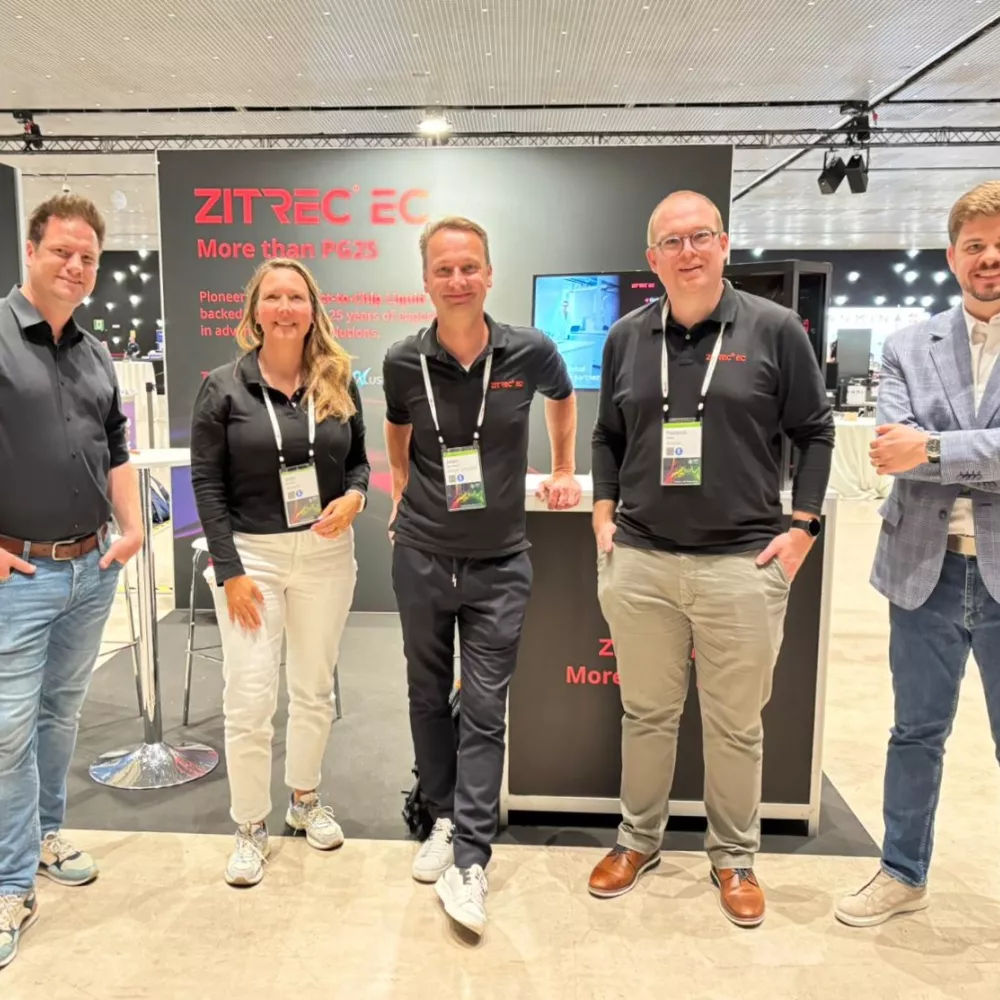


Let’s talk about your data center challenges
If rising temperatures, increasing rack densities or recurring thermal issues are becoming part of your daily reality, you’re not alone. We welcome an open conversation about the challenges you’re encountering and how they might be addressed—now and in the long term.
Speak with a coolant specialist Explore our data center cooling solutions